

When Is Medical Intervention Needed for Lower Abdominal Pain in Redding Hills, NC?
At Triad Internal Medicine, Dr. Keung Lee, MD, provides compassionate and thorough care for patients experiencing lower abdominal pain by evaluating symptoms, identifying possible causes, and creating personalized treatment plans focused on relief, comfort, and long-term health. For more information, please contact us or book an appointment online. We are conveniently located at 138-B Dublin Square Rd, Asheboro, NC 27203.
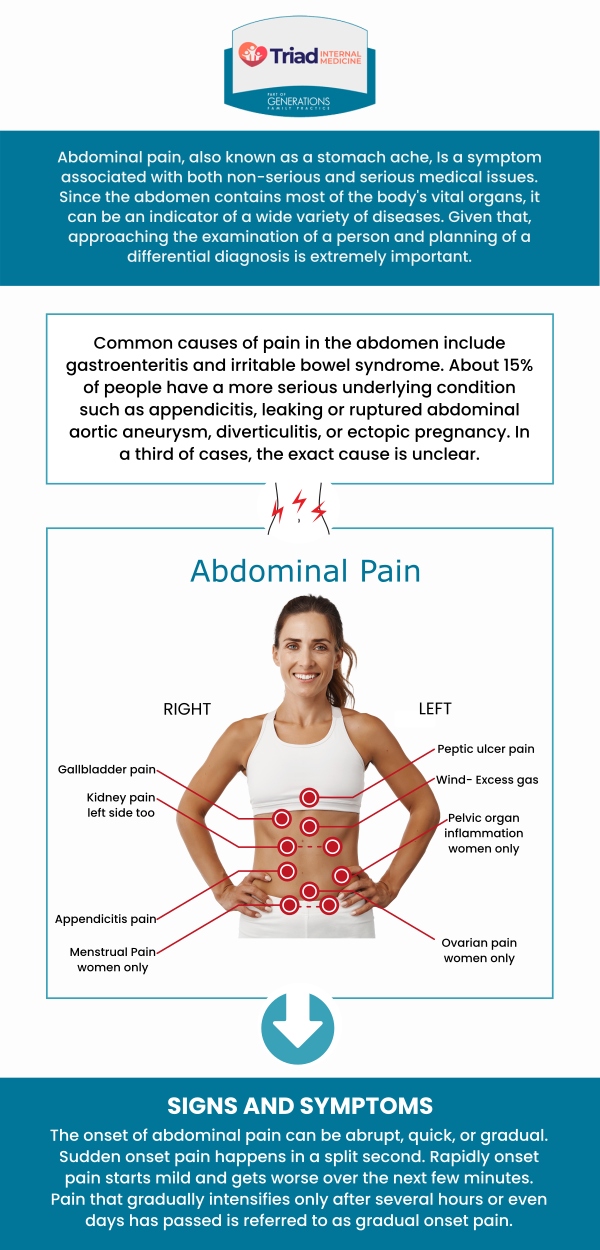
Table of Contents:
What are the warning signs that lower abdominal pain needs urgent evaluation?
Can chronic lower abdominal pain be managed without surgery?
How do doctors determine if the pain is gastrointestinal, urinary, or reproductive in origin?
Are minimally invasive procedures available for certain causes of abdominal pain?
How can medications help relieve persistent or severe lower abdominal pain?
When should imaging or specialist referral be considered?
How can Triad Internal Medicine provide comprehensive evaluation and treatment plans for patients in Redding Hills, NC, experiencing lower abdominal pain?
Lower abdominal pain can happen for many reasons, and not every case is an emergency. However, Triad Internal Medicine encourages patients to seek prompt evaluation if the pain is sudden, severe, worsening, persistent, or strong enough to wake them from sleep.
Urgent care may be needed if lower abdominal pain is accompanied by fever, repeated vomiting, inability to keep fluids down, blood in the stool or vomit, black stools, dehydration, unexplained weight loss, or loss of appetite. A hard or swollen abdomen, severe pain with inability to pass gas or have a bowel movement, or symptoms like chest pain, shortness of breath, fainting, or lightheadedness should also be taken seriously.
Women should seek immediate care for severe lower abdominal pain with vaginal bleeding, especially during pregnancy. Patients with immune suppression, recent abdominal surgery, or serious health conditions should also have a lower threshold for medical evaluation. When symptoms feel unusual or concerning, our team is available to help patients get the right care and peace of mind.
Chronic lower abdominal pain can often be managed without surgery, depending on the cause. At Triad Internal Medicine, providers evaluate whether the pain may be related to digestive, urinary, gynecological, pelvic floor, or musculoskeletal concerns before creating a personalized care plan.
Non-surgical treatment may include medication support, dietary changes, hydration, probiotics, physical therapy, pelvic floor exercises, stretching, or treatment for underlying infections or inflammation. For some women, hormone-based care or other medical therapies may be recommended when pain is linked to conditions such as endometriosis or pelvic inflammatory disease.
Lifestyle changes also play an important role in long-term relief. We may recommend regular exercise, stress management, trigger avoidance, and emotional support when anxiety or stress contributes to pain. The goal is to reduce discomfort, improve daily function, and identify any condition that may require more advanced care.
Doctors determine the source of abdominal or pelvic pain by reviewing the patient’s symptoms, medical history, and pain pattern. At Triad Internal Medicine, providers ask about where the pain is located, when it started, how long it lasts, and whether it occurs with nausea, bowel changes, urinary discomfort, discharge, or menstrual concerns.
A focused physical exam helps identify tenderness, swelling, or signs that may point to a gastrointestinal, urinary, or reproductive cause. Depending on the symptoms, the provider may also recommend lab testing, such as urinalysis, blood work, or a pregnancy test for women of childbearing age.
When more detail is needed, imaging such as ultrasound or CT scans may be used to evaluate internal organs more closely. By combining the history, exam findings, lab results, and imaging, our team can better identify the cause of pain and create a personalized treatment plan.
Yes, minimally invasive procedures may be available for certain causes of abdominal pain, depending on the diagnosis. At Triad Internal Medicine, providers evaluate symptoms carefully and coordinate with local surgeons, radiologists, or specialists when advanced treatment is needed.
Procedures such as laparoscopic surgery or image-guided treatment may help diagnose or manage conditions like appendicitis, gallbladder disease, ovarian cysts, hernias, abscesses, or fluid collections. These approaches often use smaller incisions or tiny punctures, which may support less discomfort, shorter recovery time, and reduced hospital stays compared to traditional surgery.
The right treatment depends on the cause of the pain, the patient’s overall health, and whether a minimally invasive option is appropriate. Our team helps patients understand their options and guides them toward the most effective, least invasive care plan whenever possible.
Medications can help relieve persistent or severe lower abdominal pain by reducing discomfort, calming inflammation, or treating the condition causing the pain. At Triad Internal Medicine, providers first evaluate the patient’s symptoms to determine which type of medication support may be safest and most appropriate.
Depending on the diagnosis, treatment may include pain relievers, anti-inflammatory support, muscle-relaxing therapies for cramping, antibiotics for infection-related pain, or hormone-based options for certain gynecological conditions. Medications may also be used for digestive concerns such as bowel spasms, inflammatory conditions, or menstrual-related pain. Medication is usually part of a broader care plan based on an accurate diagnosis. The goal is to relieve pain safely while addressing the root cause.
Imaging or specialist referral may be considered when symptoms suggest a more serious underlying condition or when initial treatment does not improve the problem. At Triad Internal Medicine, providers evaluate each patient carefully to decide whether additional testing or expert care is needed.
Warning signs such as unexplained weight loss, ongoing fever, severe or worsening pain, neurological changes, or signs of a wider illness may require imaging such as X-rays, CT scans, or MRIs.
Our team may also refer patients to a specialist when the diagnosis is unclear, symptoms are complex, or advanced treatment is needed beyond primary care. The goal is to use imaging and referrals thoughtfully so patients receive accurate answers and the most appropriate care.
Triad Internal Medicine provides a comprehensive evaluation for patients in Redding Hills, NC, experiencing lower abdominal pain by first reviewing medical history, symptoms, and pain patterns. Providers ask about the start, duration, location, and severity of pain, along with related concerns such as nausea, fever, bowel changes, or urinary symptoms.
A focused physical exam helps identify tenderness, swelling, masses, or other signs that may suggest gastrointestinal, urinary, gynecological, or structural causes. When needed, our team may recommend lab testing, urinalysis, stool studies, or imaging such as ultrasound or CT scans to better understand the source of pain.
After identifying the likely cause, the team creates a personalized treatment plan that may include medication support, dietary guidance, specialist referrals, and follow-up care. Triad Internal Medicine also educates patients about warning signs and treatment options, helping relieve symptoms while addressing the root cause for long-term health. For more information, please contact us or book an appointment online. We are conveniently located at 138-B Dublin Square Rd, Asheboro, NC 27203. We serve patients from Asheboro NC, Redding Hills NC, Greensboro NC, Randleman NC, Sophia NC, and Grays Chapel NC, and surrounding areas.
Check Out Our 5 Star Reviews



Additional Services You May Need
▸ Annual Physical Exam
▸ Internal Medicine
▸ Primary Care
▸ Chronic Diseases
▸ Immunizations
▸ Lab Testing
▸ Acute Illness
▸ STD Testing
▸ Flu Shots
▸ COVID-19 Testing
▸ Women’s Health
▸ Dot Physical
▸ Walk in Clinic
▸ X-ray
▸ Urgent Care
▸ Preventative Medicine
▸ Immigration Physical Exams
▸ Trigger Points
▸ Joint Injections
▸ Telehealth
▸ Medical Weight Loss
▸ Addiction Treatment



 Send Text
 How May I Help You?