

Lower Right Abdominal Pain After Eating: What Could Be Causing It?
Lower right abdominal pain after eating may be associated with digestive concerns, intestinal inflammation, food sensitivities, constipation, or other underlying medical conditions. At Triad Internal Medicine, our team carefully evaluates your symptoms, medical history, and potential triggers to help identify possible causes of discomfort. Through individualized assessments and appropriate diagnostic testing, we focus on understanding your abdominal pain and developing a care plan suited to your health needs. For more information, please contact us or book an appointment online. We are conveniently located at 138-B Dublin Square Rd, Asheboro, NC 27203.
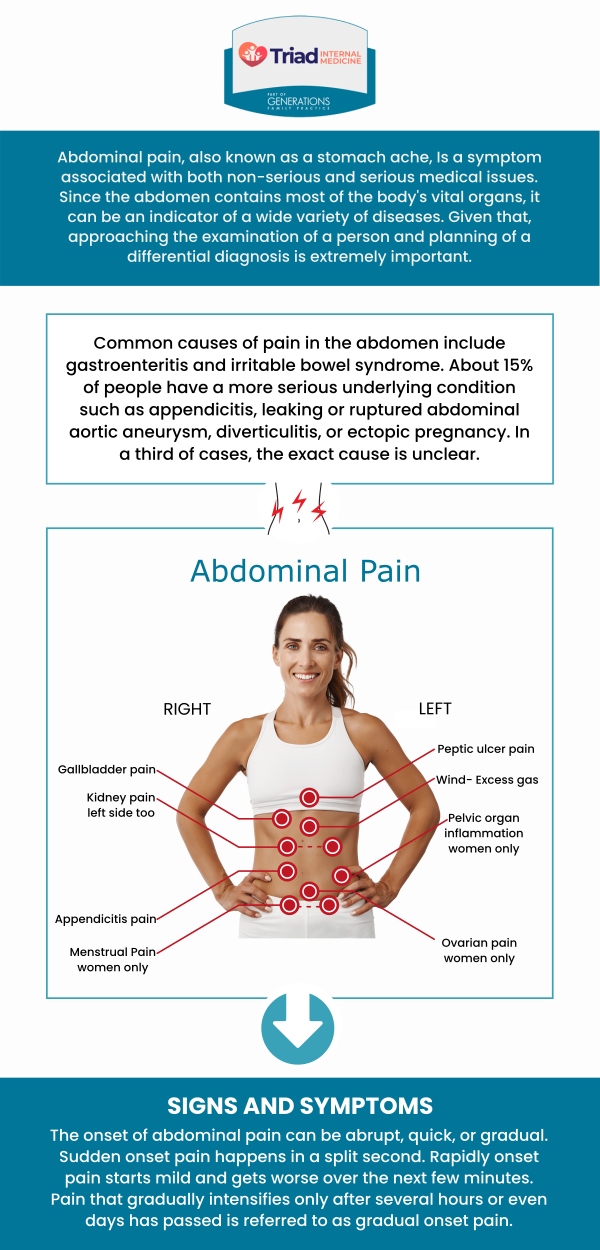
Table of Contents:
Why can lower right abdominal pain develop after eating?
Can certain foods trigger lower right abdominal pain after a meal?
What digestive symptoms may occur with lower right abdominal pain after eating?
When does recurring lower right abdominal pain after meals require medical evaluation?
How does Triad Internal Medicine evaluate lower right abdominal pain that occurs after eating?
Lower right abdominal pain after eating can develop for several reasons, including digestive disturbances, intestinal conditions, and inflammation affecting structures in the lower abdomen. Eating stimulates the digestive system, increasing intestinal movement and activity. In some individuals, this process may contribute to discomfort, cramping, or pressure, particularly when an underlying digestive concern is present.
Possible causes include constipation, gas buildup, irritable bowel syndrome (IBS), food intolerances, and inflammatory bowel conditions. Appendicitis can also cause pain in the lower right abdomen, although its symptoms are not necessarily related to eating. The location, severity, duration, and associated symptoms can provide important clues about the underlying cause.
At Triad Internal Medicine, our team evaluates abdominal discomfort by reviewing symptoms, dietary habits, medical history, and other relevant health factors. We focus on identifying possible causes of pain and recommending appropriate diagnostic assessments and individualized care based on each patient’s needs.
Certain foods may contribute to digestive discomfort that is felt in the lower right abdomen, particularly in individuals with food intolerances or sensitive digestive systems. Foods containing lactose, high amounts of fat, or certain fermentable carbohydrates may increase gas production, bloating, or intestinal cramping. Symptoms may develop shortly after eating or several hours later, depending on the underlying condition.
Common dietary triggers can include dairy products, fried foods, beans, onions, carbonated beverages, and heavily processed meals. However, food-related discomfort varies between individuals, and not everyone experiences symptoms from the same ingredients. Keeping a record of meals, symptom timing, and associated digestive changes may help identify recurring patterns.
Our team considers dietary patterns alongside medical history and accompanying symptoms when assessing abdominal pain after meals. We may recommend appropriate evaluations and personalized dietary guidance when food-related digestive concerns are suspected.
Lower right abdominal pain after eating may occur alongside digestive symptoms such as bloating, excessive gas, constipation, diarrhea, nausea, or changes in bowel movements. Some individuals experience mild cramping or a sensation of fullness, while others notice sharp discomfort or persistent tenderness. These symptoms may vary depending on the digestive condition involved.
Additional symptoms can include abdominal swelling, reduced appetite, changes in stool consistency, or discomfort during bowel movements. Conditions affecting the intestines may produce recurring digestive changes, while certain inflammatory conditions can cause more persistent or worsening symptoms. Severe pain, fever, repeated vomiting, or blood in the stool may indicate a more serious concern requiring prompt medical attention.
Our team reviews digestive symptoms and their relationship to meals to better understand potential contributing factors. We emphasize careful assessment and appropriate diagnostic recommendations to help patients address abdominal discomfort and related digestive concerns.
Recurring lower right abdominal pain after meals warrants medical evaluation when discomfort continues, becomes more frequent, or begins interfering with normal eating habits and daily activities. Pain that repeatedly develops after meals may indicate an underlying digestive condition that requires further investigation rather than temporary dietary discomfort. Even mild symptoms deserve attention when they persist or follow a consistent pattern.
Medical evaluation is particularly important when abdominal pain occurs with unexplained weight loss, ongoing diarrhea, persistent constipation, reduced appetite, or significant changes in bowel habits. Sudden or severe lower right abdominal pain, especially with fever, vomiting, or worsening tenderness, requires immediate medical assessment because conditions such as appendicitis may need urgent treatment.
At Triad Internal Medicine, our team assesses recurring abdominal pain by considering symptom patterns, medical history, and potential digestive or abdominal conditions. We helps patients determine appropriate diagnostic steps and individualized management options based on their symptoms and overall health.
Evaluating lower right abdominal pain after eating typically begins with a detailed review of the patient’s symptoms, including when discomfort starts, how long it lasts, and whether specific meals appear to trigger it. The evaluation also considers pain intensity, exact location, bowel habits, previous digestive conditions, medications, and any additional symptoms that may help narrow down possible causes.
A physical examination may assess abdominal tenderness, swelling, and other clinical findings. Depending on the symptoms and examination results, further investigations may include blood tests, urine testing, stool studies, or abdominal imaging. These assessments can help identify possible digestive disorders, inflammatory conditions, or other abdominal concerns that may require specific treatment.
At Triad Internal Medicine, our team takes an individualized approach to evaluating lower right abdominal pain after meals. We focused on understanding each patient’s symptoms, determining whether additional diagnostic testing or specialist assessment is appropriate, and recommending a care plan that addresses the findings and supports digestive health. For more information, please contact us or book an appointment online. We are conveniently located at 138-B Dublin Square Rd, Asheboro, NC 27203. We serve patients from Asheboro NC, Redding Hills, NC, Greensboro NC, Randleman, NC, Sophia NC, Grays Chapel NC, and surrounding areas.
Check Out Our 5 Star Reviews



Additional Services You May Need
▸ Annual Physical Exam
▸ Internal Medicine
▸ Primary Care
▸ Chronic Diseases
▸ Immunizations
▸ Lab Testing
▸ Acute Illness
▸ STD Testing
▸ Flu Shots
▸ COVID-19 Testing
▸ Women’s Health
▸ Dot Physical
▸ Walk in Clinic
▸ X-ray
▸ Urgent Care
▸ Preventative Medicine
▸ Immigration Physical Exams
▸ Trigger Points
▸ Joint Injections
▸ Telehealth
▸ Medical Weight Loss
▸ Addiction Treatment



 Send Text
 How May I Help You?
