

When Should You See a Doctor for Lower Abdominal Pain in Sophia, NC?
At Triad Internal Medicine, Dr. Keung Lee, MD, provides compassionate evaluation and personalized care for patients in Sophia, NC, experiencing lower abdominal pain, helping identify possible causes through careful assessment, diagnostic support, and effective treatment guidance. For more information, please contact us or book an appointment online. We are conveniently located at 138-B Dublin Square Rd, Asheboro, NC 27203.
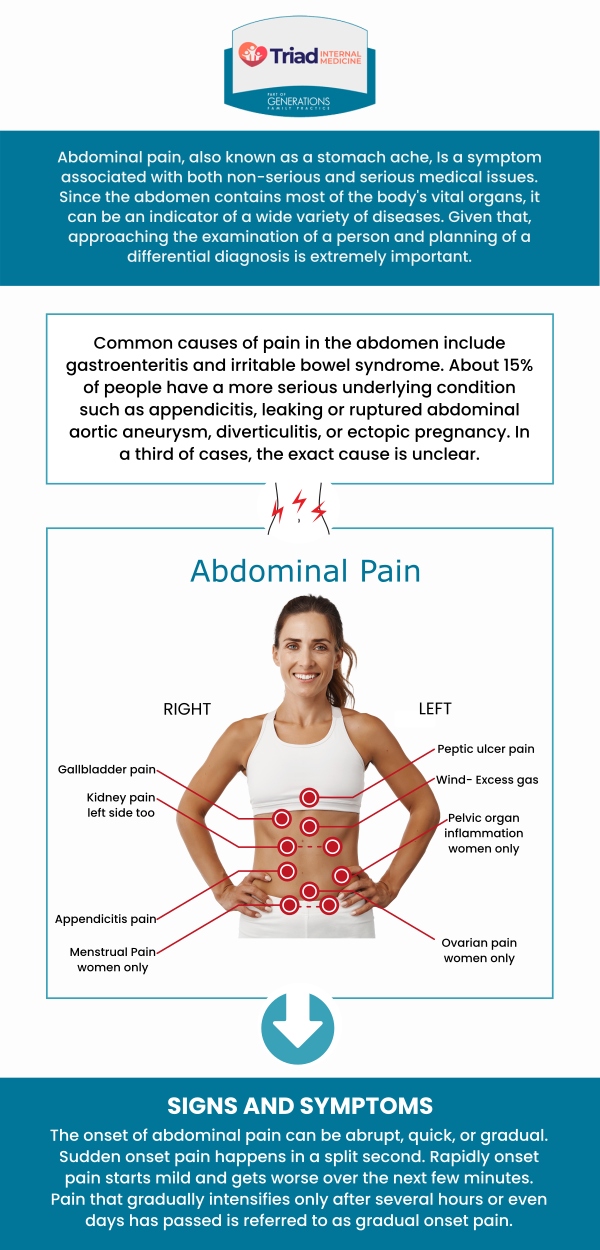
Table of Contents:
What are the common causes of lower abdominal pain in adults?
How can I tell if my pain is mild or requires medical attention?
Are there symptoms that indicate a more serious condition, like appendicitis or infection?
Can diet or lifestyle factors contribute to lower abdominal pain?
How long should mild abdominal pain be monitored at home before seeing a doctor?
When should imaging or lab tests be considered for diagnosis?
How can Triad Internal Medicine help patients in Sophia, NC, quickly identify the cause and provide effective treatment for lower abdominal pain?
Lower abdominal pain in adults can happen for many reasons, ranging from mild digestive discomfort to more serious medical conditions. At Triad Internal Medicine, providers help patients identify the source of pain through careful evaluation and personalized care.
Common causes may include constipation, indigestion, IBS, food intolerance, stomach infections, or urinary tract infections. In women, lower abdominal pain may also be linked to menstrual cramps, ovarian cysts, endometriosis, or pelvic inflammatory disease, while men may experience pain related to prostatitis or testicular concerns.
More serious causes, such as appendicitis, diverticulitis, hernias, bowel obstruction, inflammatory bowel disease, or certain cancers, may also need medical attention. Patients should seek care if pain is severe, ongoing, or occurs with fever, vomiting, blood in stool or urine, or unexplained weight loss.
Mild pain is usually manageable, does not strongly affect daily activities, and often improves with rest, simple home care, or over-the-counter pain relief. At Triad Internal Medicine, patients are encouraged to pay attention to how intense the pain feels, how long it lasts, where it is located, and whether other symptoms are present.
Pain may require medical attention if it becomes moderate to severe, continues for a long time, worsens, or feels sudden, sharp, or unusual. Symptoms such as fever, chest pain, shortness of breath, confusion, sudden weakness, numbness, swelling, or unexplained weight loss should be taken seriously.
Patients should also contact Triad Internal Medicine if pain starts after a fall, accident, or injury, or if it does not improve with rest or basic relief measures. When pain causes distress or limits normal activities, getting a medical evaluation is the safest choice.
Certain symptoms may suggest a more serious condition, such as appendicitis, infection, or another urgent health issue. At Triad Internal Medicine, patients are encouraged to seek timely evaluation when abdominal pain becomes severe, persistent, or worsens quickly.
Pain that starts near the belly button and moves to the lower right abdomen may be a warning sign of appendicitis. Other concerning symptoms include high fever, chills, heavy sweating, ongoing nausea or vomiting, trouble passing gas or having a bowel movement, or a swollen, hard, or very tender abdomen.
Additional warning signs include blood in the stool or vomit, yellowing of the skin or eyes, unexplained weight loss, rapid heartbeat, shortness of breath, confusion, or fainting. If symptoms feel severe or unusual, contacting Triad Internal Medicine or seeking emergency care can help ensure prompt diagnosis and treatment.
Diet and lifestyle habits can play an important role in lower abdominal pain. At Triad Internal Medicine, patients are encouraged to consider how food choices, eating patterns, hydration, stress, and activity levels may affect digestive comfort.
Common triggers may include high-fat foods, spicy meals, low-fiber diets, overeating, eating too quickly, or irregular meals. Food sensitivities, such as lactose or gluten intolerance, can also lead to cramping, bloating, constipation, and lower abdominal discomfort.
A sedentary lifestyle, stress, dehydration, alcohol use, and smoking may worsen digestive symptoms or contribute to conditions like constipation and IBS. Triad Internal Medicine helps patients identify possible causes and create personalized lifestyle changes while also evaluating persistent or severe pain for underlying medical concerns.
Mild abdominal pain can often be watched at home for 24 to 48 hours if it is not severe and is not linked with concerning symptoms. At Triad Internal Medicine, patients are encouraged to rest, stay hydrated, and avoid foods that may upset the stomach during this time.
If the pain improves or goes away within this period, a medical visit may not be needed. However, patients should contact Triad Internal Medicine if the pain becomes worse, lasts longer than 48 hours, or appears with fever, vomiting, blood in stool or urine, jaundice, severe tenderness, or unexplained weight loss.
Some patients should seek care sooner, including pregnant individuals, infants, older adults, and people with weakened immune systems or ongoing health conditions. If the pain feels unusual, rapidly worsens, or causes concern, it is always safer to get medical guidance.
Imaging or lab tests may be considered when symptoms, medical history, or a physical exam suggest that the cause of pain cannot be clearly identified through evaluation alone. At Triad Internal Medicine, testing may be recommended when symptoms are severe, ongoing, unclear, or need further investigation.
Imaging studies may be used when there is unexplained pain, possible injury, or concern for internal conditions. Lab tests can help check for infections, inflammation, metabolic concerns, organ function issues, or other health problems that may be contributing to symptoms.
Triad Internal Medicine uses personalized clinical judgment and evidence-based guidance to decide when testing is needed. The goal is to order only necessary tests that support an accurate diagnosis, guide treatment, and help prevent complications.
Triad Internal Medicine helps patients in Sophia, NC, find the cause of lower abdominal pain through careful, compassionate evaluation. Providers begin by reviewing medical history, discussing symptoms, and performing a physical exam to better understand the pain’s location, severity, duration, and related concerns.
When needed, the team may recommend lab testing, urinalysis, or imaging studies such as ultrasound or CT scans to help confirm the diagnosis. These tools can help identify possible causes such as urinary tract infections, digestive problems, gynecological concerns, or urgent conditions like appendicitis.
After the cause is identified, Triad Internal Medicine creates a personalized treatment plan based on each patient’s needs. Care may include medications, lifestyle guidance, follow-up monitoring, or referral to a specialist when additional treatment is needed.
For more information, please contact us or book an appointment online. We are conveniently located at 138-B Dublin Square Rd, Asheboro, NC 27203. We serve patients from Asheboro NC, Redding Hills, NC, Greensboro NC, Randleman, NC, Sophia NC, Grays Chapel NC, and surrounding areas.
Check Out Our 5 Star Reviews



Additional Services You May Need
▸ Annual Physical Exam
▸ Internal Medicine
▸ Primary Care
▸ Chronic Diseases
▸ Immunizations
▸ Lab Testing
▸ Acute Illness
▸ STD Testing
▸ Flu Shots
▸ COVID-19 Testing
▸ Women’s Health
▸ Dot Physical
▸ Walk in Clinic
▸ X-ray
▸ Urgent Care
▸ Preventative Medicine
▸ Immigration Physical Exams
▸ Trigger Points
▸ Joint Injections
▸ Telehealth
▸ Medical Weight Loss
▸ Addiction Treatment



 Send Text
 How May I Help You?