

Why Does My Stomach Hurt? The Causes of Stabbing Pain
Stabbing stomach pain can have several causes, ranging from digestive issues like ulcers or acid reflux to more serious conditions such as gallstones or pancreatitis. Keung Lee, MD, at Triad Internal Medicine, emphasizes the importance of identifying the underlying cause through a thorough evaluation to determine the appropriate treatment and relief for your symptoms. For more information, please contact us or book an appointment online. We are conveniently located at Dublin Square and Mack Road in Asheboro, NC.
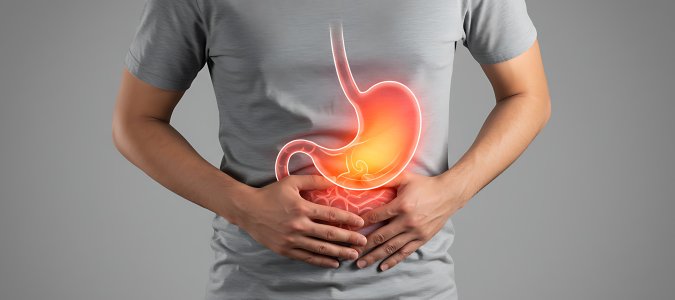
Table of Contents:
What could cause stabbing pain in the stomach?
Is stabbing stomach pain a sign of a serious condition and how can Triad Internal Medicine help?
Is it normal to feel stabbing pain after eating?
Could stabbing pain in the stomach be related to a gallbladder issue?
Stabbing pain in the stomach can be caused by various factors, ranging from minor issues to more serious conditions. Common causes include indigestion, food intolerance, or a stomach ulcer. Indigestion occurs when the stomach struggles to break down food, leading to discomfort and sometimes sharp, stabbing pain. In some cases, it can be related to overeating or consuming spicy or fatty foods.
Gastrointestinal conditions like gastritis (inflammation of the stomach lining) or gastroesophageal reflux disease (GERD) can also lead to sharp, stabbing pain. These conditions cause irritation in the stomach, often triggered by certain foods, stress, or medications. Another potential cause is a stomach ulcer, which occurs when there is a sore or lesion in the stomach lining. Ulcers can cause sharp pain, especially after eating or on an empty stomach.
In more severe cases, stabbing pain in the stomach could indicate issues like pancreatitis, appendicitis, or gallstones. For example, a gallstone blocking the bile duct can cause intense pain that radiates from the stomach. If the pain is severe, sudden, and lasts for a prolonged period, it’s essential to seek medical attention promptly.
If you experience stabbing stomach pain regularly, it’s important to consult with a healthcare provider to identify the underlying cause. Triad Internal Medicine is a trusted source for diagnosing and treating such conditions, offering specialized care to address gastrointestinal health issues effectively.
Stabbing stomach pain can sometimes be a sign of a serious underlying condition, depending on the intensity, frequency, and associated symptoms. Conditions such as appendicitis, a ruptured ulcer, or pancreatitis can cause severe, sharp abdominal pain that requires immediate medical attention. Appendicitis, for example, typically starts with dull pain around the navel, but as it progresses, it can turn into sharp, stabbing pain on the right side of the abdomen. A ruptured stomach ulcer can lead to intense, stabbing pain and may require surgical intervention.
Other serious causes include gastrointestinal bleeding, where sharp pain may be accompanied by vomiting blood or passing black stools. In these cases, the pain is often an urgent warning sign, and a delay in treatment could lead to more severe complications. Gallbladder issues, including gallstones or inflammation, can also present as stabbing pain in the stomach, especially after eating fatty meals.
To determine if the pain is due to a serious condition, a healthcare professional will perform a thorough examination and may recommend imaging tests, blood work, or endoscopy. Triad Internal Medicine provides expert care, including advanced diagnostic tools and personalized treatment options, ensuring that serious conditions are caught early and treated appropriately. The skilled physicians at Triad Internal Medicine are committed to diagnosing and managing stomach pain efficiently, offering both medical and surgical solutions when necessary.
Experiencing stabbing pain after eating is not uncommon and can happen for a variety of reasons. Often, this type of pain is related to digestive issues. One common cause is indigestion, which occurs when the stomach struggles to process food, leading to bloating, discomfort, and sometimes sharp pain. Eating too quickly, overeating, or consuming heavy, greasy, or spicy foods can trigger this response.
Another cause of stabbing pain after meals is acid reflux or gastroesophageal reflux disease (GERD), where stomach acid flows back into the esophagus. This can cause sharp, burning pain in the stomach and chest, often after eating. If the pain is accompanied by heartburn or a sour taste in the mouth, GERD may be the cause. Additionally, stomach ulcers can cause stabbing pain after eating, especially if the ulcer is irritated by food.
In some cases, it could be related to food intolerances or sensitivities, such as lactose intolerance or gluten sensitivity, which may cause digestive discomfort and pain. A more serious possibility is gallbladder issues like gallstones or inflammation, which can cause sharp pain after consuming fatty foods.
If you experience stabbing stomach pain regularly after meals, it is essential to consult with a healthcare provider. Triad Internal Medicine can help identify the underlying cause of your symptoms and provide effective treatments to manage your digestive health and prevent future discomfort.
Yes, stabbing pain in the stomach could be related to a gallbladder issue, such as gallstones or gallbladder inflammation (cholecystitis). The gallbladder is a small organ located under the liver that stores bile, which helps digest fats. When gallstones form, they can block the bile duct, causing intense, stabbing pain in the upper abdomen. This pain is often sharp and sudden and may radiate to the back or right shoulder.
Gallstone pain typically occurs after eating fatty foods, as the gallbladder is stimulated to release bile for digestion. In some cases, the pain may come and go, lasting for a few minutes to a few hours. This is referred to as a “gallbladder attack.” If the gallbladder becomes inflamed or infected, the pain can become more persistent and severe, often requiring medical treatment.
Other symptoms of gallbladder issues include nausea, vomiting, fever, and jaundice (yellowing of the skin or eyes). If you experience stabbing pain along with any of these symptoms, it is essential to seek medical care immediately.
Triad Internal Medicine is equipped to diagnose and treat gallbladder conditions using advanced imaging techniques, such as ultrasound, and offers both non-surgical and surgical treatment options. If you suspect that your stomach pain may be linked to a gallbladder problem, the team at Triad Internal Medicine can provide comprehensive care and ensure you receive the appropriate treatment, including potential gallbladder removal if necessary.
In case of a gallbladder issue or other serious concerns, Dr. Keung Lee, MD, and the team at Triad Internal Medicine are dedicated to providing expert care for all stomach and gastrointestinal-related conditions, offering personalized treatment plans to improve your health and comfort. For more information, please contact us or book an appointment online. We are conveniently located at Dublin Square and Mack Road in Asheboro, NC. We serve patients from Asheboro NC, Redding Hills NC, Greensboro NC, Randleman NC, Sophia NC, Grays Chapel NC, and surrounding areas.
Check Out Our 5 Star Reviews



Additional Services You May Need
▸ Annual Physical Exam
▸ Internal Medicine
▸ Primary Care
▸ Chronic Diseases
▸ Immunizations
▸ Lab Testing
▸ Acute Illness
▸ STD Testing
▸ Flu Shots
▸ COVID-19 Testing
▸ Women’s Health
▸ Dot Physical
▸ Walk in Clinic
▸ X-ray
▸ Urgent Care
▸ Preventative Medicine
▸ Immigration Physical Exams
▸ Trigger Points
▸ Joint Injections
▸ Telehealth
▸ Medical Weight Loss
▸ Addiction Treatment



 Send Text
 How May I Help You?