

What Foods Should You Avoid on a Gout-Friendly Diet?
A gout-friendly diet involves avoiding foods high in purines, which can increase uric acid levels and trigger gout flare-ups. These foods include red meat, organ meats, shellfish, and sugary beverages. Limiting alcohol, especially beer, and foods high in refined carbohydrates is also recommended to help manage gout symptoms. Keung Lee, MD, at Triad Internal Medicine, provides expert guidance on creating a personalized diet plan. For more information, please contact us or book an appointment online. We are conveniently located at Dublin Square and Mack Road in Asheboro, NC.
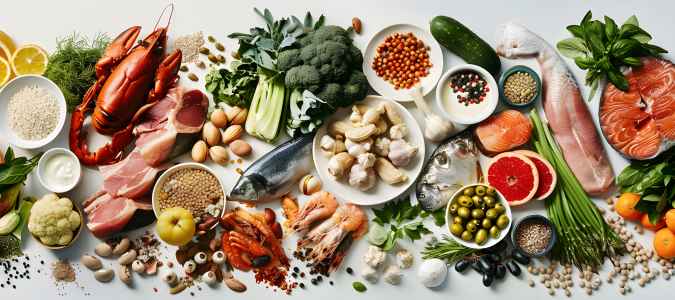
Table of Contents:
What foods should be avoided to manage gout, according to Keung Lee, MD?
Can alcohol trigger gout attacks?
Are sugary foods bad for gout sufferers?
Can I eat vegetables if I have gout?
Are there any foods that can help lower uric acid levels?
Can coffee affect gout?
Yes, alcohol can trigger gout attacks, particularly beer and hard liquor. Our team explains that alcohol raises uric acid levels in two ways: it both increases the production of uric acid and reduces the kidneys’ ability to eliminate it. Beer, in particular, is high in purines (from yeast), which contribute to elevated uric acid levels, making gout attacks more likely.
Even wine has been linked to gout flare-ups, although its effects are less pronounced compared to beer and liquor. Moderation is key, and in some cases, it may be best to eliminate alcohol to avoid flare-ups. Our experts at Triad Internal Medicine recommend avoiding alcohol during gout attacks and limiting consumption in general, especially for individuals with frequent flare-ups or high uric acid levels.
For those managing gout, switching to non-alcoholic beverages or limiting alcohol intake can significantly reduce the frequency and severity of gout attacks. We emphasize that lifestyle changes such as reducing alcohol consumption, are essential for effective gout management.
Yes, sugary foods can worsen gout symptoms and are best avoided by those managing the condition. We note that sugary foods and beverages—particularly those containing high-fructose corn syrup (HFCS)—can significantly raise uric acid levels. HFCS is commonly found in soft drinks, packaged sweets, and many processed foods. The body metabolizes fructose into purines, which then break down into uric acid.
Consuming sugary foods regularly can lead to higher insulin resistance, a factor that can also contribute to elevated uric acid levels. Studies show that high consumption of sugar-sweetened beverages increases the risk of gout attacks and worsens the condition over time.
At Triad Internal Medicine, we recommend focusing on a whole-food diet, rich in fresh fruits, vegetables, whole grains, and lean proteins, while avoiding processed foods and sugary snacks. Replacing sugary beverages with water or unsweetened drinks can help maintain healthy uric acid levels and manage gout more effectively.
Yes, vegetables are generally safe for individuals with gout and are an essential part of a gout-friendly diet. Our team at Triad Internal Medicine, emphasizes that vegetables are low in purines, making them a great choice for managing gout.
While some vegetables, like asparagus, spinach, and mushrooms, contain moderate amounts of purines, their overall effect on uric acid levels is minimal compared to high-purine animal products. Most other vegetables, such as broccoli, kale, carrots, and bell peppers, are very low in purines and can be consumed freely. Additionally, vegetables are packed with fiber, antioxidants, and other nutrients that support overall health.
Our experts recommend focusing on a plant-based diet, rich in vegetables, whole grains, and low-fat dairy, to help control uric acid levels and reduce the risk of gout flare-ups. Vegetables also help promote healthy kidney function, which is crucial for uric acid excretion.
Yes, certain foods can help lower uric acid levels and support effective gout management. Dr. Keung Lee, MD, at Triad Internal Medicine, advises the following foods to help lower uric acid:
● Cherries: Studies show that cherries, particularly tart cherries, can lower uric acid levels and reduce inflammation. Cherries contain anthocyanins, which have anti-inflammatory properties and may prevent gout attacks.
● Low-fat dairy: Dairy products like milk and yogurt have been shown to help lower uric acid levels. These foods contain casein, a protein that can reduce uric acid buildup.
● Citrus fruits: Lemon, oranges, and grapefruit are rich in vitamin C, which has been linked to lower uric acid levels. Vitamin C helps reduce uric acid levels and prevents crystals from forming in the joints.
● Water: Staying well-hydrated helps the kidneys excrete uric acid more effectively. Drinking plenty of water can flush uric acid from the body and reduce the risk of gout attacks.
At Triad Internal Medicine, Dr. Lee recommends incorporating these uric acid-lowering foods into your diet for optimal gout management.
Coffee can have both positive and negative effects on gout. According to our team, moderate coffee consumption may lower uric acid levels and reduce the risk of gout. Research has shown that coffee, particularly unsweetened coffee, contains polyphenols and other compounds that can help reduce uric acid levels in the blood. In fact, several studies suggest that regular coffee drinkers have a lower risk of developing gout.
However, excessive coffee intake may lead to other health problems such as increased blood pressure or insulin resistance, which could negatively affect gout in some individuals. We recommend that patients consume coffee in moderation and pay attention to how it affects their overall health.
For more information, please contact us or book an appointment online. We are conveniently located at Dublin Square and Mack Road in Asheboro, NC. We serve patients from Asheboro NC, Redding Hills NC, Greensboro NC, Randleman NC, Sophia NC, Grays Chapel NC, and surrounding areas.
Gout is a form of arthritis caused by high levels of uric acid in the blood, which can lead to painful joint inflammation. To manage gout, Keung Lee, MD, at Triad Internal Medicine, recommends avoiding foods high in purines, as purines break down into uric acid in the body. The following foods are particularly high in purines and should be limited or avoided:
● Red meats: Beef, lamb, and pork can significantly raise uric acid levels.
● Organ meats: Liver, kidneys, and sweetbreads are especially high in purines.
● Shellfish and oily fish: Shrimp, lobster, sardines, and anchovies contain high purine levels.
● Alcohol: Beer and liquor can increase uric acid production, while also making the kidneys less efficient at excreting it.
● Sugary foods and drinks: High-fructose corn syrup can increase uric acid levels and trigger gout attacks.
Dr. Lee advises that people with gout focus on a low-purine diet, rich in fruits, vegetables, whole grains, and low-fat dairy. At Triad Internal Medicine, we provide tailored dietary advice to help manage gout and prevent flare-ups.
Check Out Our 5 Star Reviews



Additional Services You May Need
▸ Annual Physical Exam
▸ Internal Medicine
▸ Primary Care
▸ Chronic Diseases
▸ Immunizations
▸ Lab Testing
▸ Acute Illness
▸ STD Testing
▸ Flu Shots
▸ COVID-19 Testing
▸ Women’s Health
▸ Dot Physical
▸ Walk in Clinic
▸ X-ray
▸ Urgent Care
▸ Preventative Medicine
▸ Immigration Physical Exams
▸ Trigger Points
▸ Joint Injections
▸ Telehealth
▸ Medical Weight Loss
▸ Addiction Treatment



 Send Text
 How May I Help You?