

Top 10 Foods to Avoid with Gout and Alternatives for a Healthier Diet
Managing gout effectively begins with eliminating high-purine triggers like red meats, organ meats, shellfish, and sugary or alcoholic beverages, swapping them for uric-acid-lowering alternatives such as tart cherries, fresh vegetables, and low-fat dairy. Dr. Keung Lee, MD, PhD, MHA, an experienced professional at Triad Internal Medicine, empowers patients by providing tailored dietary roadmaps designed to prevent future flare-ups and maintain optimal metabolic health. For more information, contact us or schedule an appointment online. We are conveniently located at 300 Mack Rd Suite B, Asheboro, NC 27205.
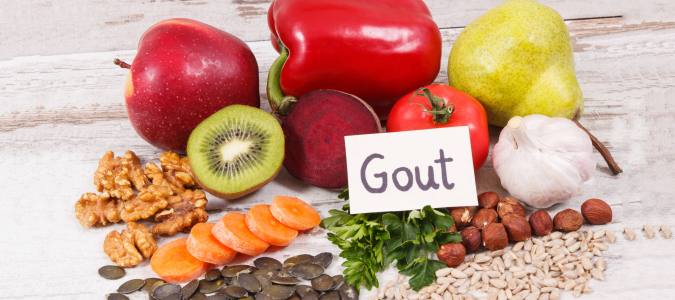

Table of Contents:
What foods should be avoided with gout?
Why should I avoid red meat and organ meats with gout?
Can seafood cause gout flare-ups?
How do sugary foods and drinks affect gout?
What are the best foods to eat for gout management?
Managing Gout with Diet at Triad Internal Medicine
Gout is a type of arthritis caused by an excess of uric acid in the blood, which can lead to painful joint flare-ups. One of the most important ways to manage gout is through your diet, as certain foods can trigger attacks or make symptoms worse.
Be Mindful of High-Purine Foods
Uric acid is produced when your body breaks down purines, a substance found in many foods. Reducing your intake of high-purine foods can help you control gout symptoms and decrease the risk of future flare-ups. At Triad Internal Medicine, we often advise our gout patients to:
● Limit red meats such as beef, lamb, and pork, as these are high in purines.
● Avoid organ meats like liver, kidneys, and sweetbreads, which contain especially high levels of purines.
● Be cautious with seafood, anchovies, sardines, mussels, scallops, trout, and tuna can all contribute to increased uric acid.
Alcohol and Sugary Foods
Alcohol, particularly beer and spirits, can raise uric acid levels and make it harder for your body to eliminate it. We recommend avoiding or strictly limiting alcohol if you have gout. Likewise, sugary drinks and foods, especially those with high-fructose corn syrup, can trigger gout attacks, so minimizing sodas, sweetened juices, and processed snacks is important.
What About Vegetables?
While some vegetables like asparagus, spinach, mushrooms, and peas contain moderate amounts of purines, research shows these are less likely to trigger gout compared to animal sources. Most people with gout can enjoy these vegetables in moderation, but if you have specific concerns, our providers can help you determine what’s best for your individual needs.
If you have gout and want to learn more about dietary management or need individualized recommendations, our team at Triad Internal Medicine is here to help.
Eating red meats such as beef, lamb, and pork, as well as organ meats like liver and kidneys, can raise your uric acid levels further. This can increase the risk of gout attacks, which are caused by sharp, needle-like crystals of uric acid forming in your joints. These attacks can lead to the intense pain, swelling, and inflammation that many gout patients experience.
At Triad Internal Medicine, our providers recommend avoiding or limiting these foods to help prevent sudden flare-ups and manage your gout more effectively. In addition to supporting joint health, reducing your intake of red and organ meats can benefit your heart—a crucial consideration, since gout is often linked with other health concerns such as high blood pressure and heart disease.
Seafood is well known to be a potential trigger for gout in susceptible individuals. Shellfish such as shrimp, lobster, crab, and mollusks, as well as oily fish like sardines, anchovies, mackerel, and herring, are especially high in purines and can raise uric acid levels, increasing the risk of a gout attack. While some seafood options like salmon have a moderate purine content and may be safer in moderation, it is still important to be mindful of your choices.
At Triad Internal Medicine, our providers take a holistic approach to gout management, which includes guidance on dietary habits and lifestyle modifications. If you have a history of gout, we recommend discussing your diet with our clinical team. We can help you identify which foods, including which types of seafood, are best for your individual health needs and work with you to develop a sustainable plan to minimize your risk of painful flare-ups.
When you consume sugary beverages and foods, especially those rich in fructose, your body processes these sugars in a way that increases uric acid production. Fructose is metabolized in the liver, where it triggers the formation of purines, which are then converted into uric acid. Elevated levels of uric acid in the bloodstream (hyperuricemia) are the main risk factor for developing gout attacks.
Research shows that individuals who frequently consume sugar-sweetened soft drinks, fruit juices, energy drinks, sports drinks, and processed foods with added sugars have a higher risk of developing gout. These sugary items not only raise uric acid levels but also contribute to weight gain and obesity, another significant risk factor for gout. Excess body weight can cause your kidneys to excrete less uric acid, increasing the likelihood of gout flare-ups.
At Triad Internal Medicine, we are dedicated to helping you manage and prevent gout through comprehensive care and personalized dietary guidance. To lower your risk of gout attacks, we recommend:
● Limiting sugary beverages and foods
● Choosing water or unsweetened drinks
● Focusing on a balanced diet rich in whole grains, moderate amounts of fruit, vegetables, and lean proteins
Making thoughtful dietary choices is a cornerstone of effective gout management. Foods low in purines, compounds that break down into uric acid, are especially helpful for controlling symptoms. Our providers at Triad Internal Medicine recommend the following:
● Fruits: Cherries have been shown to help lower uric acid and reduce gout attacks. Other beneficial options include citrus fruits (like oranges), apples, pears, and berries.
● Vegetables: Most vegetables are safe and nutritious, including leafy greens, potatoes, bell peppers, and squash.
● Whole Grains: Brown rice, oats, and barley provide energy and fiber while remaining low in purines.
● Low-Fat Dairy: Yogurt, skim milk, and other low-fat or non-fat dairy products can help decrease uric acid levels.
● Plant-Based Proteins: Tofu, lentils, and beans are generally safe, but some individuals may need to monitor their intake of certain legumes. Discuss your specific needs with your Triad Internal Medicine provider.
● Hydration: Drinking plenty of water is essential, as it helps flush excess uric acid from the body. Coffee, in moderation, may also help, but be sure to talk with your provider about caffeine intake.
At Triad Internal Medicine, we are committed to providing comprehensive, patient-centered care for a wide range of chronic conditions, including gout. Dr. Keung Lee, MD, PhD, MHA, leads our practice with a strong focus on empowering patients to manage their health through both medical and lifestyle strategies.
Gout is a type of arthritis caused by a buildup of uric acid in the blood, resulting in sudden and often severe joint pain. While medications are often necessary to control gout and prevent future flare-ups, Dr. Lee and the Triad Internal Medicine team emphasize that dietary modifications can make a significant difference in managing symptoms and overall health.
Our Approach to Dietary Management:
Dr. Lee provides individualized guidance to help patients identify and reduce foods high in purines, which contribute to increased uric acid levels and gout attacks. Some of the foods we commonly recommend limiting include:
● Red meats and organ meats (such as liver)
● Certain seafood (including sardines and anchovies)
● Alcoholic beverages, especially beer
Instead, we encourage our patients to choose:
● Low-fat dairy products, which may help lower uric acid levels
● A variety of vegetables and whole grains, which are nutritious and gout-friendly
Hydration is another key part of our strategy. Dr. Lee advises patients to drink plenty of water daily to help flush uric acid from the body. We also recommend minimizing or avoiding sugary drinks, especially those sweetened with high-fructose corn syrup, as they can trigger gout symptoms.
Weight management plays a vital role in gout prevention and care at Triad Internal Medicine. Dr. Lee collaborates with patients to set realistic weight loss goals, as losing excess weight can reduce both uric acid production and the frequency of gout attacks. We also caution against extreme diets or rapid weight loss, which may actually increase the risk of a flare-up. For more information, contact us or schedule an appointment online. We are conveniently located at 300 Mack Rd Suite B, Asheboro, NC 27205. We serve patients from Asheboro NC, Redding Hills NC, Greensboro NC, Randleman NC, Sophia NC, and Grays Chapel NC.
Check Out Our 5 Star Reviews



Additional Services You May Need
▸ Annual Physical Exam
▸ Internal Medicine
▸ Primary Care
▸ Chronic Diseases
▸ Immunizations
▸ Lab Testing
▸ Acute Illness
▸ STD Testing
▸ Flu Shots
▸ COVID-19 Testing
▸ Women’s Health
▸ Dot Physical
▸ Walk in Clinic
▸ X-ray
▸ Urgent Care
▸ Preventative Medicine
▸ Immigration Physical Exams
▸ Trigger Points
▸ Joint Injections
▸ Telehealth
▸ Medical Weight Loss
▸ Addiction Treatment



 Send Text
 How May I Help You?